All About Your Home's Water Pressure: Too High or Too Low?
Water pressure is one of those things homeowners rarely think about until it’s either gone or causing a disaster. Think of it as the "blood pressure" of your home's plumbing system. When it’s in the healthy range, everything flows perfectly. When it’s too high or too low, it puts unnecessary stress on your pipes and fixtures, leading to expensive repairs.
Whether you’re living in a classic Seattle craftsman or a modern downtown condo, understanding your water pressure is key to maintaining a healthy home. At Jim Dandy Sewer & Plumbing, we want to help you identify the signs of pressure issues before they turn into emergencies.
The Silent Killer: High Water Pressure
Many people actually enjoy high water pressure—it makes for a powerful shower and fills the bathtub quickly. However, what feels like a luxury is often a ticking time bomb for your plumbing.
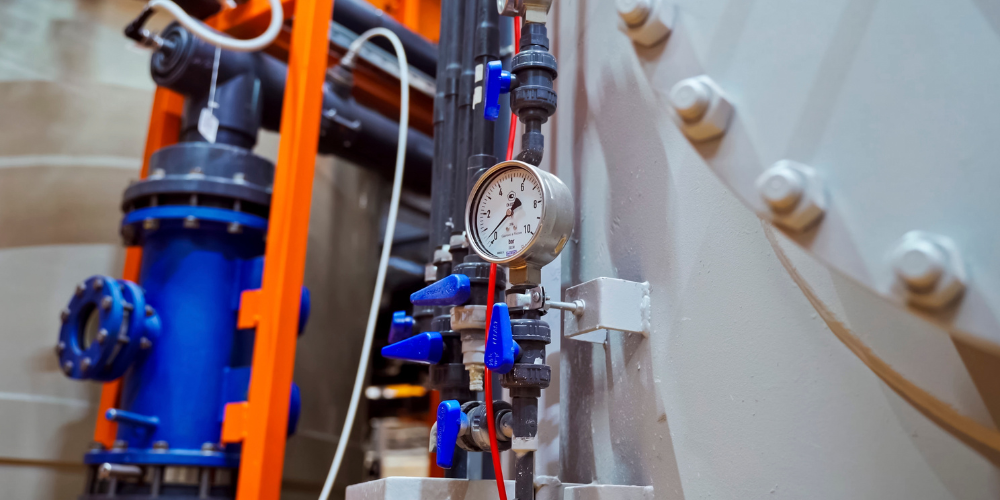
Most residential plumbing systems are designed to handle pressure between 40 and 60 PSI (pounds per square inch). If your pressure consistently sits above 80 PSI, you are in the "danger zone."
Signs your pressure is too high:
Banging Pipes: Also known as "water hammer," this happens when water moving at high speeds suddenly stops when a valve closes, causing the pipes to vibrate or thud against your wall studs.
Leaking Faucets: High pressure can wear out the washers and seals in your faucets, leading to constant drips.
Running Toilets: If your toilet seems to run or hiss even when it hasn't been flushed recently, high pressure might be pushing water past the fill valve.
Shortened Appliance Life: Dishwashers and washing machines have sensitive valves that can fail prematurely if the incoming water is too forceful.
The Fix: If your home's pressure is too high, a plumber can install or replace a Pressure Reducing Valve (PRV). This device acts as a gatekeeper, ensuring the water entering your home stays at a safe, manageable level.
The Daily Frustration: Low Water Pressure
Low water pressure is rarely a threat to your home's structure, but it’s a major hit to your quality of life. There’s nothing worse than trying to rinse shampoo out of your hair with a weak trickle of water.
Common causes of low pressure:
Mineral Buildup: In many Seattle homes with older pipes, minerals and sediment can build up inside the lines, narrowing the path for water to flow.
Clogged Aerators: If the low pressure is only at one faucet, the small screen (aerator) at the tip is likely clogged with debris.
Hidden Leaks: A sudden drop in pressure across the whole house could mean water is escaping through a crack in your main line before it ever reaches your faucets.
The Main Shut-off Valve: Sometimes, the main valve isn't fully open. Even a slightly turned valve can significantly throttle your pressure.
The Fix: A professional inspection can determine if you need a simple cleaning, a leak repair, or—in the case of old, corroded galvanized pipes—a partial repiping to restore your flow.
How to Check Your Pressure
You can actually check your own water pressure quite easily. Most hardware stores sell a simple pressure gauge that screws onto an outdoor hose bib or your washing machine’s cold water faucet.
Screw the gauge onto the faucet.
Ensure all other water in the house is turned off (no showers, dishwashers, or sprinklers running).
Turn the faucet all the way on and read the dial.
If that dial reads above 75 or 80 PSI, you should take action immediately to protect your appliances and pipes.
Get Your Plumbing Back in Balance
Whether you are tired of a weak shower or worried that your pipes are under too much stress, Jim Dandy Sewer & Plumbing is here to help. Our expert team can test your system, diagnose the root cause of the pressure issue, and provide a lasting solution that keeps your home safe and functional.
Don't let pressure problems damage your home or ruin your morning routine. Contact us today to schedule a professional pressure test and plumbing inspection!