An Introduction to Trenchless Sewer Repair Technology
For decades, the standard method for fixing a broken or failing sewer line involved a process that homeowners dreaded: excavation. This meant heavy machinery, a major trench dug across your yard, torn-up landscaping, and weeks of clean-up.
Thankfully, those days are increasingly becoming a thing of the past. Today, modern plumbing relies on a revolutionary process known as trenchless sewer repair technology. This innovative method allows Jim Dandy Sewer & Plumbing to fix your vital sewer lines with minimal disruption to your property.
If you’re facing sewer line issues, here is everything you need to know about the trenchless repair options available to Seattle homeowners.
What is Trenchless Sewer Repair?
Simply put, trenchless repair is a way to repair or replace underground sewer pipes without digging up the entire line. Instead of digging a trench from your house to the street, we only need to create one or two small access points (called "launch and receive pits")—often just a few feet wide. This preserves your landscaping, driveway, and sidewalk.
The Two Main Trenchless Methods
There are two primary trenchless techniques we use, each suited for different types of pipe damage:
1. Pipe Bursting (Pipe Replacement)
This method is used when the existing sewer line is so severely damaged—perhaps collapsed, heavily offset, or badly compromised by root intrusion—that it needs full replacement.
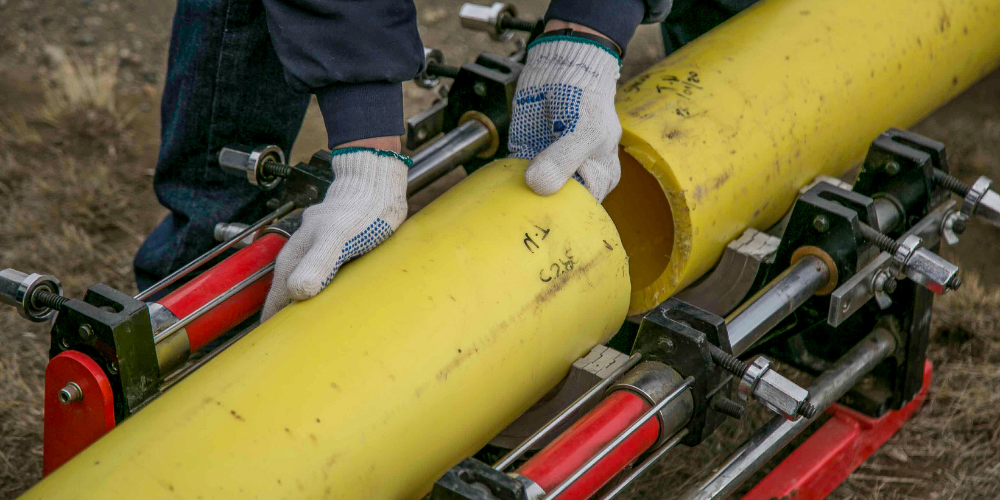
The Process: We create an access point and feed a new, durable pipe (usually made of High-Density Polyethylene or HDPE) into the old line. Attached to the head of the new pipe is a special cone-shaped cutting head (the "bursting head").
The Result: As the new pipe is pulled through, the bursting head shatters the old, deteriorated pipe and pushes the fragments outward into the surrounding soil. The new HDPE pipe immediately takes its place, creating a seamless, stronger line that is corrosion and root resistant.
2. Cured-In-Place Pipe (CIPP Lining)
This is a preferred repair option when the pipe has cracks, minor offsets, or holes, but the existing structure is still mostly intact. It effectively creates a new pipe within the old pipe.
The Process: We insert a flexible, epoxy-saturated liner into the damaged existing sewer line through a small access point. The liner is then inflated, forcing it to adhere tightly to the inner walls of the old pipe.
The Result: The epoxy is allowed to cure and harden (often aided by heat or steam), resulting in a smooth, jointless, corrosion-proof, and structurally sound pipe that can last for decades. This method is often called pipe lining.
Why Choose Trenchless in Seattle?
For Jim Dandy Sewer & Plumbing, trenchless technology offers significant advantages, especially in the densely populated and highly landscaped neighborhoods of Seattle:
Saves Your Yard: The most obvious benefit. No massive trenches means your lawn, trees, patio, and driveway remain undisturbed.
Faster Completion: Traditional sewer line replacement can take a week or more. Trenchless methods are often completed in one to three days.
Cost-Effective Over Time: While the initial cost can sometimes be similar to traditional digging, you save thousands by eliminating the need for extensive landscaping, concrete, or asphalt restoration.
Superior Materials: Both CIPP liners and HDPE replacement pipes are non-corrosive and impervious to tree roots, meaning the repair often lasts longer than the original clay or concrete pipes.
If you have slow drains, recurring clogs, or suspect sewer line damage, contact us immediately. Jim Dandy can use a sewer scope inspection to determine if trenchless technology is the right solution for your home!
Ready to explore a less destructive way to repair your sewer line? Contact us today to schedule your consultation!