Is Your Water Heater Acting Up? When to Repair or Replace in Seattle
Let's face it: in Seattle, a working water heater isn't a luxury—it’s a necessity. Nobody wants a frigid wake-up call, especially when the Puget Sound is doing its best to turn the city into a misty rainforest.
But like everything else in your home, your water heater has a lifespan. When it starts to give you trouble, the big question looms: Do I repair the issue, or is it time to bite the bullet and invest in a new one?
At Jim Dandy Sewer & Plumbing, we deal with this dilemma all the time. Here is our straightforward, no-nonsense guide for Seattle homeowners on when to call for a repair, and when it’s time to say goodbye to the old tank.
Signs It’s Time for a Repair (A Fixable Flaw)
If your water heater is relatively young (under 10 years old) and the problem is one of the following, a repair is usually the most economical choice.
1. The Pilot Light is Out
If you have a gas water heater and you've lost hot water, the simplest cause is often the pilot light blowing out. This is a common, easy fix that usually just requires re-lighting it (following your unit's instructions, of course). If it keeps going out, the thermocouple might need a quick, affordable replacement.
2. Faulty Heating Element or Thermostat
For electric water heaters, the problem often lies in a failing heating element or a miscalibrated thermostat. If you're getting lukewarm water or running out of hot water too quickly, a plumber can easily test and replace the element or thermostat. This is a simple mechanical repair, not a life sentence for your unit.
3. Minor Leaks from Connections
If you spot a small leak, check where it’s coming from. If the water is dripping from the inlet or outlet connections at the top of the tank, or from the temperature-and-pressure (T&P) relief valve, this is generally a repairable issue. A plumber can tighten the connection or replace the valve. However, if the leak is coming directly from the tank itself (see below), run.
Signs It’s Time for a Replacement (The Fatal Flaws)
If your unit is nearing or beyond its typical lifespan, or if it exhibits any of the following terminal symptoms, trying to repair it is simply throwing good money after bad.
1. Age: It’s Over 10 Years Old
The typical lifespan of a conventional tank water heater is 8 to 12 years. If your unit is approaching its tenth birthday, every repair you make is just buying you a little more time until the inevitable—usually an emergency failure. We recommend replacing a unit approaching 10 years when the next major repair is needed. Why wait for the catastrophic leak?
2. Rust-Colored Water
If you turn on your hot water and it comes out with a rusty or metallic tint, this is a clear sign that the inside of your tank is corroding. That rust is dissolving from the steel shell of the tank. The tank's sacrificial anode rod (designed to rust instead of the tank) has likely failed, and now the tank itself is rusting through. This is irreversible damage, and a new unit is needed immediately.
3. Leaking from the Tank Itself
If the leak is coming directly from the bottom or side of the storage tank, you are beyond repair. This means the metal of the tank has finally corroded enough to breach. At this point, the tank is structurally compromised, and the only solution is full replacement. Get it swapped out before it fails completely and floods your basement or utility closet.
4. Excessive Noise (Rumbling or Popping)
That strange, rumbling sound you hear when the water heater fires up? That's sediment buildup hardening at the bottom of the tank. When the burner heats this layer, the trapped air and steam cause the rumbling and popping. This drastically reduces efficiency, costs you money on your Seattle City Light bill, and severely stresses the tank, which will lead to failure much sooner. While you can sometimes flush a tank, if the noise is severe, the damage is done—it's time for a replacement.
The Jim Dandy Recommendation for Seattle
If your water heater is old and the repair cost is more than 50% of the cost of a new unit, the smartest long-term decision is to replace it.
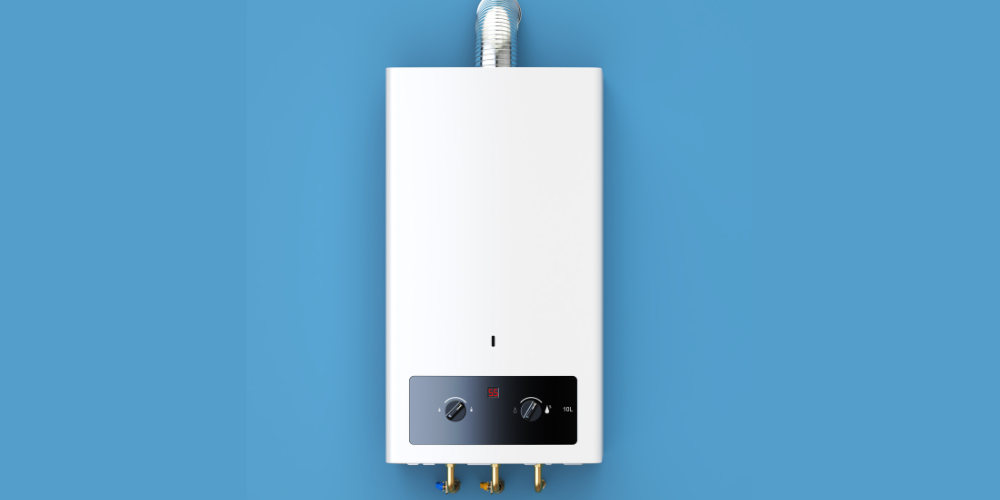
When you do replace it, consider upgrading to a tankless water heater. They are a fantastic option for the energy-conscious Seattle homeowner. They save energy by only heating water when you need it, and they provide an endless supply of hot water—something you'll definitely appreciate after a chilly day on the Sound.
Whether you need a quick repair or a full system upgrade, don't let a temperamental water heater ruin your winter. Call the trusted professionals at Jim Dandy Sewer & Plumbing. We'll give you an honest assessment and get your hot water flowing reliably again!
Need a professional opinion on your water heater? Call Jim Dandy to schedule an appointment today!